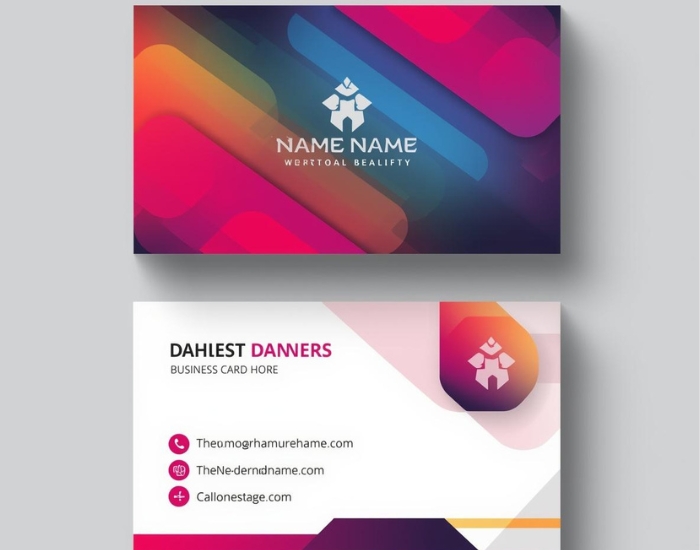
A cool business logo is not about chasing trends. It needs to be recognizable at a glance, fit your type of business and show your brand’s personality. The key requirements are knowing why you need a logo, defining your brand identity, checking out the competition and choosing a design style that suits you.
A logo is the visual face of your company’s brand. Customers use it to identify you, remember you and decide whether you look trustworthy. A good logo helps you share who you are with customers before they read a single word. Here are the requirements to think through before you or a designer start sketching.
1. Understand Why You Need a Logo
Every business owner, in Phoenix or anywhere else, should first understand what a logo actually does. Think of your logo as the profile picture of your whole business. It appears on your website, signage, invoices, social media and packaging, and it is often the first thing a potential customer notices.
First impressions matter. A logo that looks professional and fits your industry can make people curious enough to learn more about your company. A logo that looks careless or confusing can make them move on. Your logo also quietly tells customers whether your brand is right for them, so it should speak to the audience you want to attract.
2. Define Your Brand Identity
Before making any design decisions, get clear on what your business is about and what personality your brand has. Ask yourself:
- What do we do, and who do we serve?
- What makes us different from similar businesses?
- Which words describe our brand: friendly, premium, bold, traditional, playful, technical?
Once you know what makes you stand out and what your brand represents, design choices become much easier. Colors, fonts and symbols can then be picked because they support that identity, not just because they look nice. Our brand identity page explains how a logo fits into your wider visual branding.
3. Check Out the Competition
Look at the logos of other companies in your industry and area. The goal is not to copy them but to understand:
- What seems to work well with your shared audience
- Which styles, colors and symbols are overused
- What you should avoid so you don’t look like everyone else
Your logo should clearly set you apart from competitors. If most businesses in your field use traditional, conservative logos, a fresh and modern design may get more attention. If everyone uses the same color, a different palette can help you stand out.
4. Choose Your Design Style
Design style is one of the most important parts of creating a logo. Several elements come together here:
Colors
Color sets the mood of your brand. Choose a palette that suits your industry and personality, and make sure the logo still works in one color or black and white.
Shapes and Graphics
Symbols, icons and shapes can hint at what you do or what you value. Keep them simple enough to recognize at small sizes.
Typography
Fonts carry personality too. A clean sans-serif often feels modern, while a serif font can feel established and traditional. Most importantly, the business name must be easy to read.
When you think about your logo, start by picking the overall look that fits your brand, then refine colors, shapes and fonts to match it.
Bringing It All Together
A cool logo is one that is made for your category and type of business, reflects your brand’s personality and is designed with all of these requirements in mind. Working with a professional designer is often the easiest way to turn those ideas into a polished, eye-catching result.
If you want help, Logo Design Phoenix creates custom logo designs from your business vision or sketch, with multiple concepts and revisions until you are happy. You can browse our portfolio for ideas or request a free consultation to get started.
Frequently Asked Questions
What are the basic requirements for a good logo?
A good logo should be easy to recognize, fit your type of business and reflect your brand's personality. It also needs to stand apart from competitors and use colors, shapes and fonts that work together.
Should I look at competitors' logos before designing mine?
Yes, but only for research. Studying competitors shows you what works with your audience and which styles are overused, so you can create a logo that clearly sets you apart instead of copying anyone.
What design elements make up a logo's style?
A logo's style comes from its colors, shapes or graphics, and typography. Choosing an overall look that matches your brand first makes it easier to refine each of these elements.