
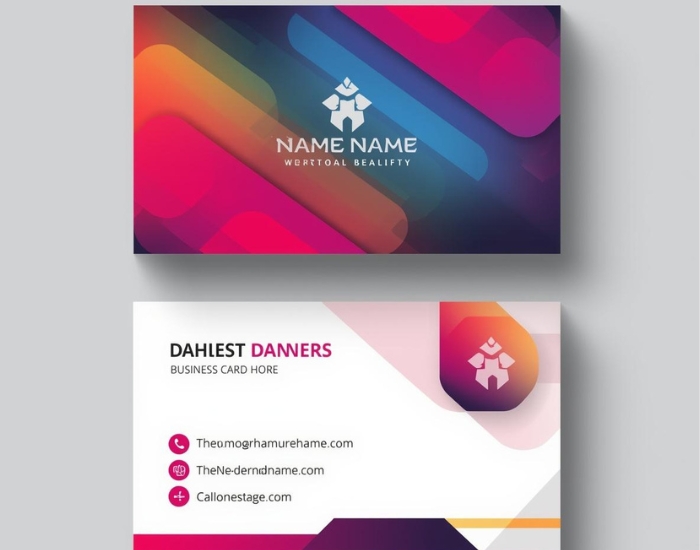
In the fast-paced business world, introductions matter—and often they happen in seconds. A handshake, a smile, and your business card can set the tone for lasting connections.
For companies in Phoenix, a well-crafted business card design is not just a convenience; it is a tangible representation of your professionalism, creativity, and brand identity. Whether networking at local events, meeting clients, or sending packages, your business card is a silent ambassador for your brand.
This comprehensive guide explores the importance of business card design, common pitfalls, effective styles, what a professional package includes, and why local expertise matters.
Why Business Card Design Still Matters in the Digital Era
Some may argue that digital networking and email signatures have replaced physical business cards. While digital tools are important, business cards remain irreplaceable for several reasons:
-
Tangible connection: Handing someone a card creates a physical touchpoint that strengthens memory retention.
-
Professional credibility: A well-designed card communicates attention to detail and authority.
-
Brand reinforcement: Colors, typography, and materials convey your brand story instantly.
-
Networking efficiency: Cards are quick, portable, and easy to share in professional settings.
-
Local impact: In Phoenix’s growing business hubs, first impressions can define relationships.
A great business card design does more than display contact information—it communicates values, professionalism, and attention to detail.
Common Challenges in Business Card Design
Business card design is deceptively simple. Designers face unique challenges that influence impact and usability.
1. Space Limitations
Business cards are typically small, leaving only a few square inches to communicate your brand. Every design element must be purposeful.
2. Balancing Creativity and Readability
Too much decoration can obscure essential contact information. Too minimal can appear bland and forgettable.
3. Print Material Considerations
The choice of paper stock, finishes, and textures affects how your card feels in hand and how colors appear in print.
4. Aligning with Brand Identity
Business cards must reflect the broader brand identity, including logo, typography, color palette, and messaging.
5. Local Market Perception
Phoenix is a diverse business environment. Cards must appeal to the local professional culture while maintaining universal design standards.
What Sets Professional Business Card Design Apart
Not all business cards are created equal. Many companies use templates, producing generic designs that fail to make an impression.
Professional business card design involves:
-
Strategic branding alignment: Ensures colors, fonts, and layout reflect your brand identity.
-
Custom layout creation: Balances readability with visual impact.
-
High-quality print preparation: Considers bleed, cut lines, and print finishes.
-
Material selection guidance: Chooses textures and coatings that elevate perception.
-
Tailored to audience: Designs for clients, partners, or industry-specific expectations.
A professionally designed card is more than an accessory—it is a brand ambassador in your pocket.
Key Elements of Effective Business Card Design
A business card’s design communicates professionalism, credibility, and brand personality. Here’s what every effective card should include:
1. Clear Branding
Your logo, brand colors, and typography should be immediately recognizable and consistent with other marketing materials.
2. Essential Contact Information
Include:
-
Name and title
-
Company name
-
Phone number
-
Email address
-
Website URL
-
Optional: social media handles or QR code
Avoid cluttering the card with unnecessary information.
3. Readable Typography
Font choice should prioritize legibility. Use hierarchy to emphasize the most important details.
4. Visual Hierarchy
Guide the viewer’s eye using size, color, and placement. The logo or name should stand out first, followed by contact details.
5. Material & Finish
Paper quality and finishes like matte, glossy, textured, or spot UV coatings enhance tactile and visual appeal. In Phoenix, where warm lighting can affect color perception, finishes should be carefully selected.
6. Creative Elements
Incorporate subtle patterns, embossed textures, metallic accents, or rounded corners to add sophistication without distracting from essential information.
Business Card Design Styles That Work
Business cards can convey a variety of brand messages depending on style.
Minimalist & Modern
Clean lines, whitespace, and simple typography convey professionalism and contemporary appeal. Perfect for tech companies, consultants, or startups.
Bold & Eye-Catching
Bright colors, geometric shapes, or unique finishes attract attention in networking settings. Ideal for creative agencies or retail brands.
Elegant & Premium
Luxurious textures, foil stamping, and minimalist fonts communicate high-end positioning. Suitable for law firms, financial advisors, or premium service providers.
Playful & Approachable
Rounded edges, soft color palettes, or illustrated elements suggest friendliness and accessibility. Works well for childcare, creative services, or lifestyle brands.
Common Business Card Design Mistakes
Even experienced professionals make errors that diminish the card’s impact.
-
Overcrowding information: Too much text makes the card difficult to read.
-
Ignoring brand consistency: Inconsistent colors or fonts confuse the viewer.
-
Poor print quality: Blurry images or cheap paper create a negative impression.
-
Using outdated layouts: Avoid designs that feel stale or generic.
-
Neglecting usability: Cards must be easy to store in wallets or cardholders.
The Role of Business Cards in Local Networking
In Phoenix, local networking is a critical business tool. From Chamber of Commerce events to startup meetups, exchanging business cards remains a key part of relationship building.
Well-designed cards help:
-
Strengthen first impressions
-
Increase recall during follow-ups
-
Differentiate your company in crowded networking events
-
Demonstrate professionalism and attention to detail
A card that feels intentional communicates that your brand is trustworthy and capable.
Why Local Expertise Matters in Business Card Design
Working with a Phoenix-based business card designer offers advantages:
-
Knowledge of local print vendors and materials
-
Understanding of Phoenix’s professional culture
-
Access to in-person design consultations
-
Faster project turnaround and revisions
Local designers ensure your cards not only look good but resonate with your city’s business community. Partnering with a trusted firm like Logo Design Phoenix ensures strategic, locally informed design.
What a Professional Business Card Design Package Includes
A full-service package typically offers:
-
Brand discovery and consultation
-
Competitor research and market positioning
-
Custom layout concepts
-
Typography and color palette guidance
-
High-resolution print-ready files
-
Paper and finish recommendations
-
Digital business card variations
-
Revisions based on client feedback
This comprehensive approach ensures consistency, quality, and impact across both digital and physical applications.
Integration With Digital Branding
Today, business cards often extend beyond print. Professional designs consider:
-
QR codes linking to portfolios or websites
-
NFC-enabled digital cards for contactless sharing
-
Matching digital templates for email signatures or social media
Integrating print and digital branding enhances continuity and reinforces your professional image.
Future-Proofing Your Business Cards
Business cards should evolve with your brand. Scalable systems allow for:
-
Updated contact information
-
Expanded services
-
Additional design variations for events or campaigns
-
Consistency across new office locations
Planning for scalability ensures long-term cost savings and consistent brand perception.
Frequently Asked Questions About Business Card Design
1. How long does it take to design professional business cards?
Design projects typically take 1–3 weeks, including concept creation, revisions, and print preparation.
2. How much does business card design cost in Phoenix?
Costs vary by scope, customization, and materials, but professional design ensures quality and longevity.
3. What materials work best for business cards?
High-quality cardstock, coated finishes, textured or recycled paper, and specialty options like foil or embossing.
4. Should I include a QR code on my business card?
Yes. QR codes provide instant access to digital portfolios, websites, or contact details while maintaining a clean layout.
5. Can business card design improve networking effectiveness?
Absolutely. A well-designed card increases memorability, reinforces professionalism, and enhances follow-up success.
Final Thoughts: Make Every Handshake Count
In business, first impressions are powerful, and your business card often forms that first impression.
Strategic business card design combines aesthetics, branding, and usability to create a tangible representation of your company’s values and professionalism.
In Phoenix’s competitive business landscape, a thoughtfully designed card sets you apart, communicates credibility, and ensures your brand is remembered long after the initial handshake.
When professional design, material quality, and local insight come together, your business card becomes more than a contact sheet—it becomes a lasting impression and a tool for growth.