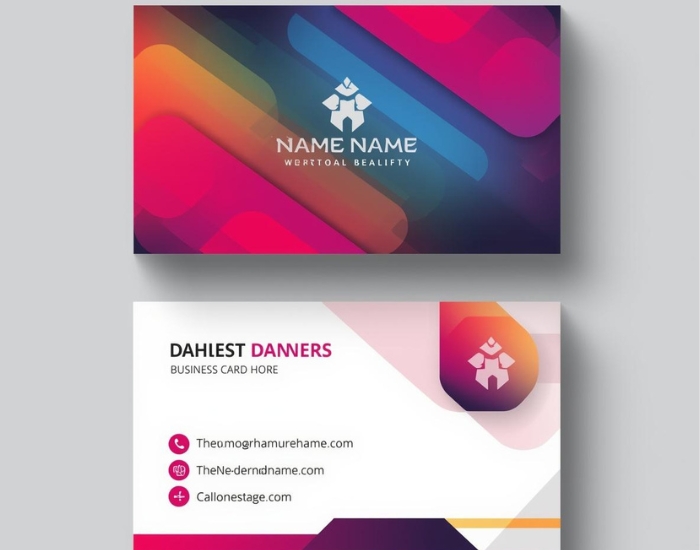

Software company branding is the strategy, visual identity and messaging that help a tech product get noticed, understood and trusted. For SaaS companies, that means a logo that works as an app icon and inside a dashboard, a screen-first color and type system, and plain-language messaging that explains value quickly. Phoenix software companies that treat branding as a scalable system, not just a logo, are better placed to grow.
Why Software Company Branding Matters
Software markets move fast. Features evolve, positioning shifts and new competitors appear constantly. Customers, though, do not buy complexity; they buy clarity, trust and confidence. Your brand is how investors judge credibility, how users decide to sign up and how larger clients assess long-term reliability.
Strong software branding helps you:
- Communicate value quickly
- Stand out from crowded competitors
- Build confidence with investors and buyers
- Support demo requests and trial sign-ups
- Scale as the product grows
When many tools target the same niche, visual identity and messaging are often what separate the leaders from everyone else.
Branding Challenges Unique to Software and SaaS
Abstract products
You cannot physically show software the way you can show a restaurant or a retail store. Many platforms solve invisible back-end problems, so the brand has to represent something intangible.
Rapid product evolution
Software updates frequently and positioning can shift. The branding system needs to be flexible enough to grow without constant redesigns.
Technical versus human messaging
Heavy technical jargon can alienate non-technical buyers and decision-makers. Effective branding balances expertise with clarity.
Trust and security expectations
Users expect reliability and careful handling of their data. Your visual identity should communicate stability and authority.
How Software Branding Differs From Other Branding
A restaurant logo does not need to work inside a dashboard interface; a SaaS logo does. A local retailer does not need to align with an investor pitch deck; a software startup usually does. Software branding has to consider:
- Scalable digital systems and product UI
- Website-first design
- Investor-ready presentation materials
- Conversion-focused messaging
Core Elements of Software Branding
Brand strategy and positioning
Before any visual work, get clear on who your primary user is, who makes the buying decision, what core problem you solve and how you differ from competitors. Positioning informs every visual and messaging choice.
Logo and visual identity system
A SaaS logo should work as an app icon, scale down inside dashboards, hold up in light and dark UI modes, and look strong on websites and pitch decks. The wider identity typically covers a screen-optimized color palette, typography for UI and web, and icon style guidance. Logo Design Phoenix creates custom logos and brand identity materials that can form the base of this system.
Messaging framework
Branding is incomplete without clear messaging: a value proposition, tagline options, voice guidelines and a few key messaging pillars. This keeps website copy, ads and investor materials consistent.
Digital brand assets
Common assets include social media templates, presentation decks, email signatures, app store graphics and website visual direction. The goal is cohesion across every digital touchpoint.
Branding Styles That Suit Software Companies
Clean and minimal
Clean layouts and generous white space suggest clarity and usability. This style suits productivity tools, fintech platforms and B2B software.
Modern and tech-forward
Subtle gradients, geometric icons and sleek typography signal innovation, a natural fit for data, analytics and automation products.
Bold and disruptive
Strong color contrast and confident type help challenger brands stand out, especially creative or community-driven tools.
The right style depends on your audience, not on trends.
Common Software Branding Mistakes
- Overcomplicating the logo: detailed icons do not scale well in app interfaces. Simplicity aids recognition.
- Copying big-tech trends: not every product needs the same gradients or futuristic type. Reflect your own positioning.
- Ignoring the product experience: a brand that looks great on the website but clashes with the dashboard creates a disconnect.
- Focusing only on looks: without clear messaging, even a beautiful logo will not drive sign-ups.
Branding a Software Company in Phoenix
Phoenix has a growing technology and startup scene, and many local software companies sell to customers well beyond Arizona. That means a Phoenix brand should stand out locally while feeling polished enough to compete nationally, and it should be built to scale beyond regional boundaries.
What to Look for in a Software Branding Package
When comparing branding providers, look for a clear process that covers discovery and competitor research, positioning, logo design with multiple concepts and refinements, a visual identity system, a brand style guide, a digital asset toolkit, messaging guidelines and website direction. A structured process ensures clarity before creativity.
Branding, Clarity and Search Visibility
Search engines and AI assistants tend to surface businesses whose identity is clear and consistent. When your name, positioning and messaging match across your website, profiles and listings, it is easier for both people and algorithms to understand what you offer.
Future-Proofing Your SaaS Brand
Build the brand so it can expand into new product lines, support sub-brands or feature modules, stay consistent through product updates and adapt to new platforms. Scalability is easiest when it is planned from the start.
Final Thoughts
Software runs on code, but companies run on trust. Effective software branding combines strategy, design, messaging and scalability to create clarity in a complex market. If your Phoenix tech company needs a logo or identity built to scale, request a free consultation with Logo Design Phoenix.
Frequently Asked Questions
What does software company branding include?
It typically includes positioning, a logo and visual identity system, a messaging framework, brand guidelines and digital assets such as presentation and social templates.
Why is SaaS branding different from traditional branding?
A SaaS brand has to work inside apps and dashboards, on websites and in investor materials, and it must stay flexible as the product changes.
What makes a good SaaS logo?
A simple, recognizable mark that works as a small app icon, reads well in light and dark modes, and looks strong on a website or pitch deck.
How much does software company branding cost?
Cost depends on scope, from a logo alone to a full identity system with messaging and guidelines. The best way to get an accurate figure is to discuss your project with a provider.